Trauma Therapy in Calgary: A Space to Breathe, Reflect, and Heal
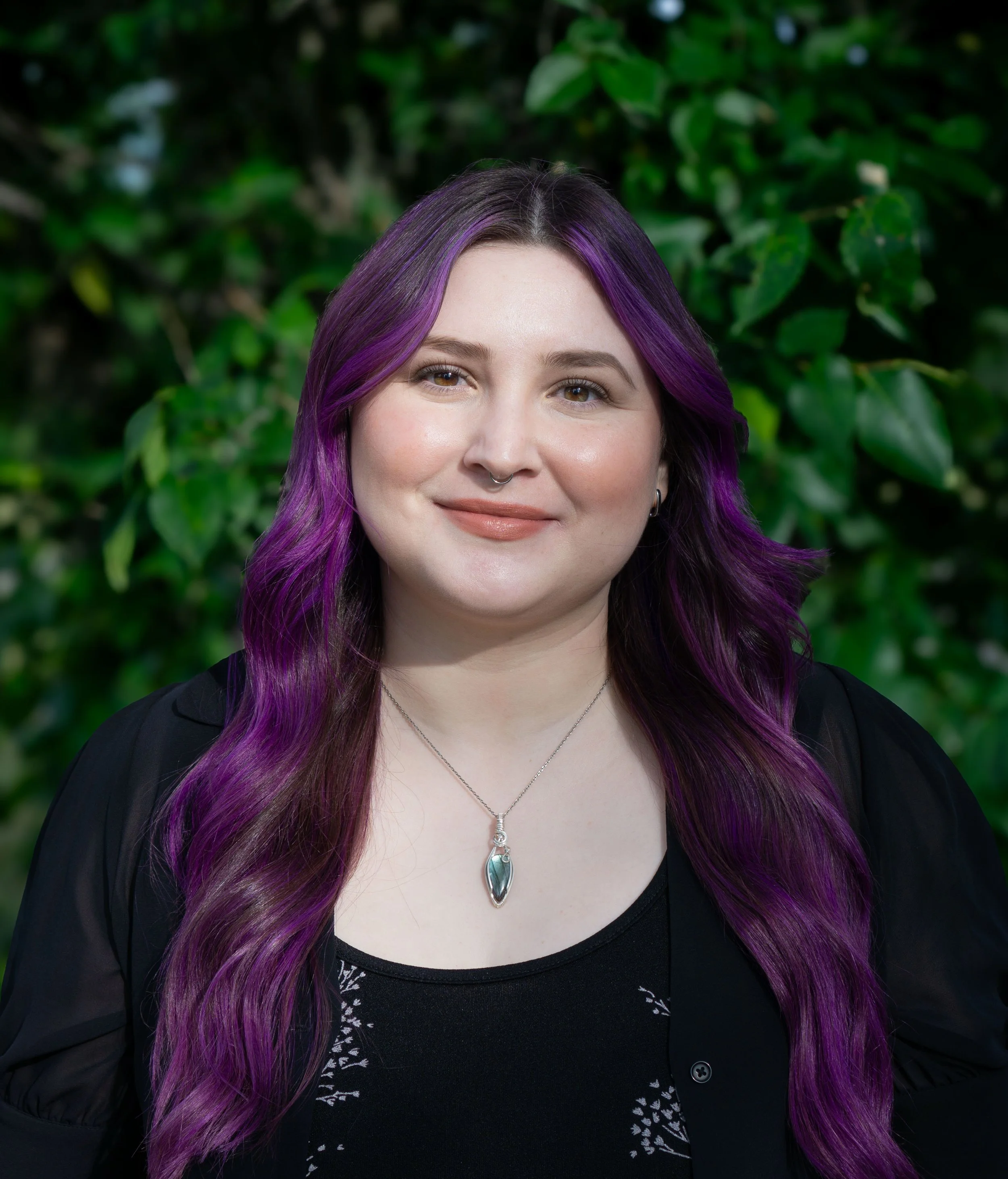
As a trauma-informed therapist, I help you gently process past experiences so they no longer hold the same power over your present.
Is Trauma Therapy Right for you?
Do upsetting thoughts or memories ever surface when you least expect them?
Do you find it hard to feel safe, calm, or truly connected in close relationships?
Have you started avoiding certain places, situations, or experiences because they feel overwhelming?
Do feelings of guilt, shame, or self-blame linger, even when you know you did the best you could?
Do you often feel tense, on edge, or stuck in “high alert”?
Do you wonder if things will ever feel steady or okay again?
Trauma can come from many places. For some, it began in childhood through emotional wounds, neglect, or feeling unseen or unsafe. For others, it developed through high-stress or helping roles, such as first responders or healthcare workers, or through accidents, medical experiences, losses, or difficult relationships. Sometimes, it isn’t one clear event, but the ongoing strain of carrying too much for too long.
If this feels familiar, your reactions make sense given what you’ve been through. Support can help you move toward healing at a pace that feels right for you.

Frequently Asked Questions
-
Yes. Many people who benefit from trauma therapy are unsure whether their experiences “count.”
Trauma is not only about major events. It includes any experience that overwhelmed your ability to cope and continues to affect how you feel, relate, or respond today.
Trauma therapy may be helpful if you experience:
Anxiety or emotional reactions that feel hard to explain
Difficulty trusting others or feeling safe in relationships
Feeling on edge, shut down, or easily overwhelmed
Repeating patterns that do not change despite effort
You do not need a clear label or specific memory to begin. Trauma-informed therapy focuses on how your experiences are showing up now, not on proving that something was “bad enough.”
If you are questioning whether trauma therapy could help, that curiosity alone is often a sign that it may be worth exploring.
-
This is a very common concern, and one trauma therapy is designed to address.
Trauma-informed counselling focuses on emotional safety first, not pushing you to talk before you are ready. We begin by building grounding skills, regulation tools, and a sense of stability so you feel supported both in and outside of sessions.
In therapy, we:
Work within your window of tolerance (the safe zone where your mind and body can handle feelings without getting too overwhelmed or shutting down).
Monitor overwhelm and slow or pause when needed.
Focus on helping you feel settled before sessions end.
Some discomfort can be part of healing, but it should never push past your limits. Many trauma approaches, including EMDR, allow processing without detailed discussion of painful experiences.
Effective trauma therapy helps you feel more steady and resourced over time, not worse. Each session is meant to leave you feeling supported, not undone.
-
That is very common. Trauma can affect memory. Healing does not depend on remembering everything. We work with what is present now, including body responses, emotions, and patterns that show up in daily life.
-
Healing from trauma and PTSD is unique to each person. Therapy often takes months to years of consistent work, depending on your experiences and needs.
What influences progress:
Your current coping skills and symptoms
Support from friends, family, or community
Effort between sessions
Type and complexity of trauma
How your body and mind adjust to healing
Even early in therapy, many clients start to notice relief and useful strategies to manage their emotions and daily life.
-
Yes. Online trauma therapy can be just as effective, and many clients actually prefer it.
Why it works well:
Comfort of your own space – process emotions safely at home
More control – take breaks, use comfort items, or ground yourself
Reduced anxiety – no travel stress or unfamiliar environments
Privacy – especially helpful for PTSD triggers or social anxiety
How we keep sessions safe:
Secure, encrypted video platforms
Grounding techniques adapted to your space
Private, comfortable therapy environment
Safety protocols for emotional overwhelm
Research shows approaches like EMDR and somatic therapy translate well online. Healing happens whether your therapist is in the room or on a screen.
Many clients find online therapy easier to access and less stressful, making it a great starting point for your trauma healing.
You’re Ready.
Ready to feel calmer, steadier, and more in control after carrying so much on your own.
As a trauma-informed therapist, I help you process difficult experiences, manage overwhelming emotions, and regain confidence in your day-to-day life.
Start with a free 45-minute consultation and take the first step toward healing, balance, and living life on your terms.